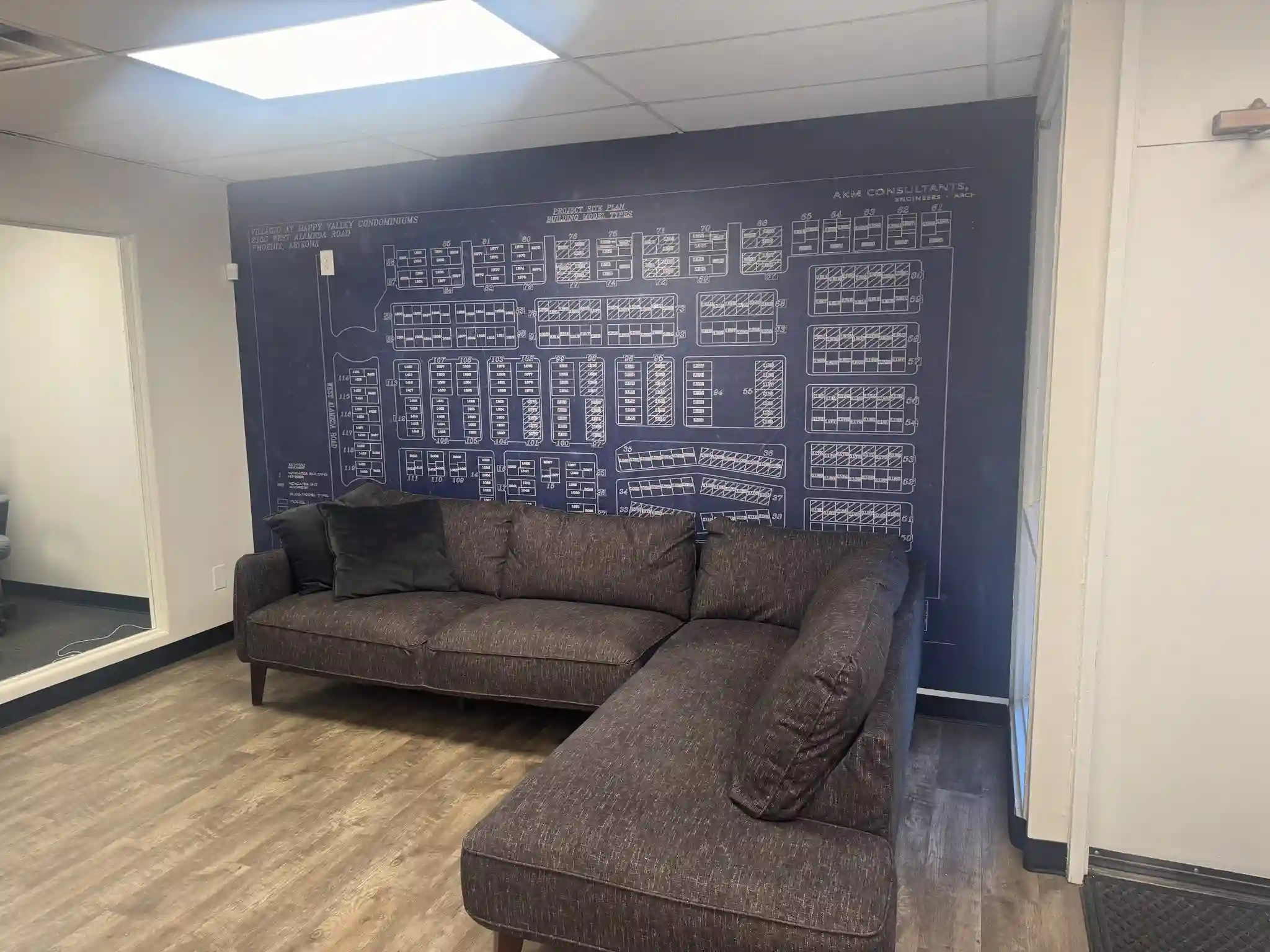
Wallpaper Installation Planned Around St. Paul Homes
A successful wallpaper installation begins with understanding the wall beneath the material. That matters in St. Paul, where properties built in different periods can present completely different conditions. A residence near Summit Avenue or Cathedral Hill may have original plaster, detailed molding, built-ins, and several generations of repairs. A Lowertown condo may involve newer drywall, tall walls, shared-building access, and fixed working hours. Homes in Highland Park, Macalester-Groveland, and Como Park can combine older construction with remodeled rooms and newer surfaces.
These differences affect preparation, material selection, pattern placement, and scheduling. Before installation, we evaluate the surface, wallcovering specifications, room layout, and access requirements. The goal is a plan suited to the actual property—not a standard process applied to every St. Paul project.
Wallpaper Installation for Historic Homes in St. Paul
Summit Avenue and the surrounding Historic Hill area include homes from several architectural periods. Their interiors may contain original plaster, substantial wood trim, tall ceilings, bay windows, built-in features, and corners that are no longer perfectly square. These details give a room character, but they also leave less room for errors in surface preparation and pattern layout.
Preparing Original Plaster
Older plaster should not automatically be treated like modern drywall. Some walls remain sound and need only minor correction; others contain hairline cracks, uneven repairs, loose paint, old adhesive, or porous areas. Wallpaper applied over an unstable surface can reveal defects, lose adhesion, or damage the wall when removed later.
Preparation may include removing unstable coatings, filling cracks and dents, smoothing mismatched repairs, skim coating larger uneven areas, applying a compatible wallcovering primer, or using liner paper when the surface or product requires it. The work should be based on the wall's actual condition rather than a predetermined package.
Planning Around Original Details
In Summit Hill and Cathedral Hill homes, doorways, fireplaces, radiators, bay windows, crown molding, and built-in shelving can interrupt a pattern. We identify the most visible sightline before the first panel is cut and plan how the design will meet around trim and corners. This helps avoid narrow finishing strips in prominent locations and reduces distortion where the room is out of square.
Homeowners planning work in an older property can also review our historic home wallpaper installation service.
Wallpaper Installation for St. Paul Condos and Lowertown Lofts
Downtown condos and converted Lowertown buildings present a different set of requirements. The wall surface may be newer, but access, ceiling height, room geometry, and building rules can make planning just as important. Before scheduling, any approved working hours, elevator reservations, loading access, parking arrangements, or protection requirements for shared areas should be confirmed.
Newer drywall is not always installation-ready simply because it appears smooth. Builder-grade paint, glossy finishes, visible joint-compound transitions, patched anchors, and uneven repairs can show through wallpaper. Converted spaces may also contain several substrates created during different renovations. We check the surface for stability and porosity, correct visible defects, and prime it for the selected product.
Large windows, tall walls, and open floor plans also affect pattern positioning. For murals and noticeable geometric designs, the main image or repeat should be balanced around the wall's primary sightline rather than started automatically at the nearest corner. Condo projects are coordinated around both the design and the practical requirements of the building.
Wallpaper Projects in Established St. Paul Neighborhoods
Highland Park, Macalester-Groveland, and Como Park contain detached homes, duplexes, apartments, and remodeled properties. Even when a room does not require historic restoration, its walls may reflect decades of repainting, patching, and previous decorating work. Paint ridges, old adhesive, and repairs with different porosity can remain visible beneath a smooth wallpaper unless corrected first.
Dining and living rooms often require patterns to be balanced around windows, doorways, fireplaces, and built-ins. Entryways and staircases add height, multiple openings, and uneven corners, while bedrooms and home offices may involve centered murals or full-room patterns. The installation plan should respond to the room and material rather than treating each project as the same standard accent wall.
For whole rooms, defined walls, bedrooms, dining areas, and murals, review our residential wallpaper installation service.
Choosing the Right Wallcovering
Wallpaper should be selected for more than its pattern. The backing, weight, seam behavior, cleaning requirements, and installation method influence how it will perform in a particular room. Before work begins, we confirm the manufacturer's instructions, pattern repeat, match type, recommended adhesive, and whether all rolls share the correct batch or dye lot.
Non-woven and traditional papers can suit bedrooms, living rooms, dining spaces, and home offices. Smooth and lightly colored products require an especially uniform wall because patches or color differences may remain visible.
Grasscloth and natural wallcoverings add texture, but their seams and panel-to-panel variations normally remain visible. They perform best where the client understands that natural variation is part of the material.
Murals and large-scale patterns require measurements at several points, sufficient trimming allowance, and a layout centered around the most important part of the image.
Vinyl and other washable wallcoverings may be appropriate for busy residential or commercial spaces, provided the wall, primer, adhesive, and backing are compatible.
In powder rooms and other moisture-prone spaces, product suitability and ventilation should be reviewed before installation. Wallpaper is not a substitute for a water-resistant finish in areas exposed to direct or persistent water contact.
Wall Preparation and Interior Conditions
The Wallcoverings Association recommends that an installation surface be clean, dry, sound, and properly prepared. In practice, that may mean cleaning painted drywall, dulling a glossy finish, correcting joint-compound ridges, filling dents, removing old adhesive, repairing torn drywall facing, or sealing plaster with an appropriate primer. Fresh paint should be allowed to cure according to the relevant product instructions before wallpaper is installed.
Previously papered walls should usually be evaluated for removal instead of automatically covered. Once the existing material is stripped, hidden damage and adhesive residue can be corrected before the new finish is applied.
Wallpaper installation can be completed during a St. Paul winter when the room, wall, adhesive, and material are maintained under suitable indoor conditions. Rolls exposed to cold during delivery may need time to reach the recommended interior temperature, and heating and ventilation should remain reasonably stable while the adhesive dries. Manufacturer requirements take priority for the selected product.
Residential and Commercial Wallcovering Projects
Residential projects are planned around occupied rooms, furniture and floor protection, existing architectural details, and the homeowner's preferred layout. Commercial work may involve larger surfaces, durable materials, fixed access windows, common-area protection, and coordination with designers, property managers, or other contractors.
St. Paul commercial wallcovering installation may be suitable for offices, retail interiors, restaurant dining areas, hospitality spaces, professional waiting rooms, and shared areas in multi-unit buildings. The scope should identify the installation surfaces, product specifications, access window, and whether other trades must finish first.
For business and multi-unit projects, review our commercial wallcovering installation service.
Wallpaper Removal and Replacement
Wallpaper removal involves more than taking down the visible material. The facing, backing, adhesive, number of layers, and wall underneath determine how the covering releases and what preparation will be needed afterward. We test the material, protect nearby surfaces, remove remaining backing and adhesive, and inspect the exposed wall for damaged plaster or drywall.
If an existing finish must be stripped before reinstallation, see our wallpaper removal service.
Preparing for Your Installation
Before the scheduled date:
- Have all rolls, labels, and manufacturer instructions available.
- Confirm design, quantity, pattern repeat, and matching batch or dye-lot numbers.
- Report elevator, parking, loading, or working-hour restrictions.
- Remove small décor and fragile belongings from the work area.
- Identify existing wallpaper, recent painting, repairs, or centered layout priorities.
Furniture movement, removal, repairs, and special access equipment should be included in the agreed scope rather than assumed.